Monday brief
Cultivating Stunning Hibiscus Plants In Containers For Your Outdoor Spac
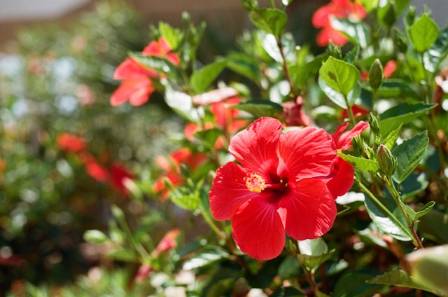
Many people assume that these vibrant flowering plants only belong in large garden landscapes. However, you can successfully cultivate hibiscus in containers to bring enduring summer color to your sunny patio, wooden deck, or apartment balcony. These versatile botanical specimens encompass herbaceous perennials, woody shrubs, and tender broadleaf evergreens. Gardeners highly value them for their exotic, trumpet-shaped blossoms that flourish from the middle of summer straight into the autumn months. Certain cultivars can produce magnificent flowers measuring up to twelve inches across, instantly adding a bold and tropical atmosphere to any outdoor setting. The most popular types include both cold-hardy and tropical varieties. The Rose of Sharon is a deciduous shrub that survives in colder regions, while the Rose mallow is a herbaceous perennial that retreats to the ground during winter. Tropical types thrive in warmer climates and are highly sensitive to cold temperatures dropping below fifty degrees Fahrenheit. When provided with the appropriate vessel, nutrient-rich earth, ample moisture, and sufficient sunlight, these plants are remarkably easy to maintain. They serve as excellent focal points in areas with limited space.
Charles Edward Miller
Desk note
Brief tip
The full sticky-note brief continues below on the Monday desk.
Board
Desk Notes
Many people assume that these vibrant flowering plants only belong in large garden landscapes. However, you can successfully cultivate hibiscus in containers to bring enduring summer color to your sunny patio, wooden deck, or apartment balcony. These versatile botanical specimens encompass herbaceous perennials, woody shrubs, and tender broadleaf evergreens. Gardeners highly value them for their exotic, trumpet-shaped blossoms that flourish from the middle of summer straight into the autumn months. Certain cultivars can produce magnificent flowers measuring up to twelve inches across, instantly adding a bold and tropical atmosphere to any outdoor setting. The most popular types include both cold-hardy and tropical varieties. The Rose of Sharon is a deciduous shrub that survives in colder regions, while the Rose mallow is a herbaceous perennial that retreats to the ground during winter. Tropical types thrive in warmer climates and are highly sensitive to cold temperatures dropping below fifty degrees Fahrenheit. When provided with the appropriate vessel, nutrient-rich earth, ample moisture, and sufficient sunlight, these plants are remarkably easy to maintain. They serve as excellent focal points in areas with limited space.
Essential Care Guidelines For Potted Hibiscus
When cultivating these plants in vessels, the roots actually prefer to be slightly confined. Select a pot that is merely one or two inches wider and deeper than the original root ball. Opt for a durable container crafted from plastic, composite materials, clay, stone, ceramic, or cement. Lighter materials make it much easier to relocate the plant when necessary. It is absolutely crucial to ensure the bottom of the vessel has sufficient drainage holes to prevent waterlogging and subsequent root rot.
Although they can tolerate some afternoon shade, all types of hibiscus absolutely thrive in full sunlight and can endure it throughout the entire day, even in sweltering climates, provided they receive adequate hydration. In extremely hot regions, the roots inside dark containers can overheat. This might mimic sun stress, but it is actually a heat retention and moisture issue. Providing light afternoon shade or utilizing a larger, well-insulated container helps keep the root zone cool and moist. If the vessel is positioned against a wall or fence that blocks light on one side, remember to rotate the plant every couple of weeks to ensure balanced, even growth on all sides.
Plants grown in vessels require a lightweight, exceptionally well-draining growing medium to flourish. Standard garden earth is far too dense and compacted for container use, as it restricts the vital flow of water and nutrients to the roots and may harbor harmful disease-causing pathogens. The ideal growing medium should consist of a high-quality, soilless potting blend enriched with components like peat moss, perlite, vermiculite, or coco coir. These additives significantly improve aeration and drainage while keeping the mixture light.
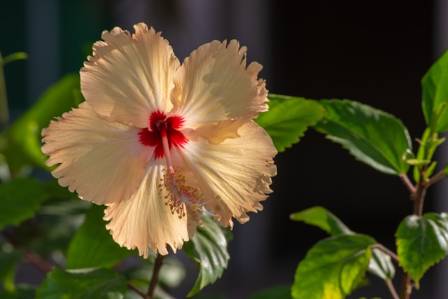
While tropical varieties benefit from a fertilizer high in potassium, it is vital to choose a blend with very low phosphorus content, as excess phosphorus can lock up essential nutrients in the soil. Avoid products that aggressively promise massive blooms, as they are often improperly balanced for these exotic plants. A moderate amount of nitrogen is also highly beneficial. An ideal ratio features higher nitrogen and potassium with minimal phosphorus. Always ensure the growing medium is already moist before applying any liquid or granular nutrients, which prevents the nitrogen from burning the delicate root system.
Container-grown specimens generally demand more frequent hydration than their in-ground counterparts. You must avoid letting the growing medium dry out completely for extended periods. Insert your finger about three inches into the medium to check the moisture level, or use a dedicated moisture meter. When the top layer feels almost dry, apply water generously until it freely flows out of the bottom drainage holes. If the medium has become severely parched, water it once, wait a few minutes to allow the earth to absorb the liquid, and then water it a second time. Tropical varieties absolutely despise dry conditions and can be safely watered on a daily basis during hot, sunny weather.
Step By Step Planting Instructions
Spring is the absolute best season for establishing these plants in new vessels. Wait until the threat of frost has completely passed in your specific region. Begin by adding one to two inches of fresh potting mix to the bottom of your chosen container. Carefully remove the plant from its original nursery pot and gently loosen the roots if they appear tightly bound. Position the plant in the new vessel so that the top of the root ball sits about one to two inches below the upper rim of the pot. Fill the empty spaces around the sides with additional potting mix, gently pressing it down to eliminate any hidden air pockets. Continue adding the medium until it reaches the base of the main stem. Finally, water the plant thoroughly until you see moisture escaping from the drainage holes at the bottom, which helps settle the earth around the roots.
Excellent Cultivars For Container Gardening
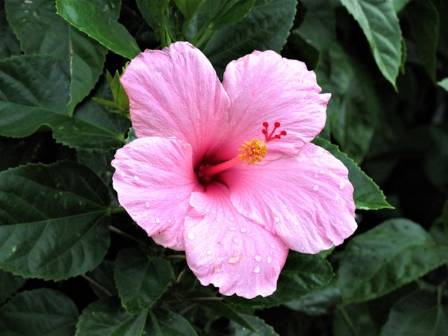
There is a wide array of beautiful cultivars perfectly suited for patio and balcony containers. For hardy Rose of Sharon types, you might consider vibrant red varieties, compact dwarf options, or elegant blue types. Other excellent hardy choices include variegated foliage varieties, petite dwarf selections, and various compact series that offer stunning floral displays. If you prefer tropical types, specialized series provide an incredible selection of vivid colors. You can choose from striking reds, bright pinks, vivid oranges, and unique bicolor patterns. Other notable tropical selections include early-blooming varieties and classic vibrant hybrids. These diverse options ensure you can find the perfect color and size to complement your outdoor living space.
Frequently Asked Questions About Container Care
Regarding watering frequency, these plants prefer consistently moist earth and strongly dislike drying out. The exact watering schedule depends on the vessel size, ambient temperature, and the material of the pot. Porous clay containers dry out much faster than plastic ones. Generally, you will need to water every one to two days. Check the plants daily by testing the top two inches of the medium. When it feels dry, drench the surface until excess liquid drains from the bottom. During extreme heat waves, daily watering is often necessary, but always avoid waterlogging to prevent root rot.
When it comes to pruning techniques, these plants produce flowers on new growth and require only minimal trimming. In late winter or early spring, remove any dead, diseased, or broken branches and lightly shape the plant to your liking. Avoid heavy pruning later in the growing season, as this will accidentally remove the developing flower buds and reduce your summer blooms.
Concerning lifespan and repotting, these vigorous plants can grow quite rapidly and may eventually outgrow their homes. You will likely need to transplant them into a larger vessel every two years. In early spring, slide the plant out and inspect the root ball. If the roots are tightly coiled and compacted, it is time for an upgrade. While hardy types might eventually need to be moved into the garden soil, dwarf varieties can happily remain in large containers indefinitely. Tropical types can also be transitioned into the ground if you live in a very warm climate.
For pots versus ground planting, smaller specimens will thrive beautifully in either vessels or the garden soil, provided they receive proper care. However, larger, more mature specimens will generally perform much better and reach their full potential when planted directly in the ground.
For winter protection strategies, tropical varieties are highly sensitive to cold weather. When nighttime temperatures approach fifty degrees Fahrenheit, you must bring potted tropical plants indoors. Before moving them inside, carefully inspect the leaves and stems for insect pests, and gently rinse the foliage with water to remove dirt and hidden bugs. Place the plants in a bright location with indirect light near a sunny window, keeping them away from cold drafts. Reduce both watering and feeding until spring arrives, and monitor for indoor pests, treating them with insecticidal soap if necessary. Once spring temperatures consistently stay above fifty degrees, gradually reintroduce the plants to outdoor conditions. Hardy varieties will naturally go dormant and can survive the winter outside, provided they are rated for at least two zones colder than your local climate. Use frost-proof containers made of plastic, composite, or wood, and place them in a sheltered spot against a building to block harsh winds. You can add extra insulation by surrounding the pots with fallen leaves or straw. Stop fertilizing during dormancy and check the soil occasionally to ensure the roots do not desiccate completely. When new growth appears in early spring, remove the protective mulch, move the plants to a brighter spot, and resume your regular care routine.
More from this board
NOTE · en

The Evolution of Skateboarding: A Deeper Look into the Sport
Skateboarding, a dynamic sport and recreational activity, involves the art of riding and executing tricks on a skateboard. Skaters find themselves perched atop a flat wooden board, a configuration consisting of a deck, trucks, and wheels, utilizing a unique blend of momentum and footwork to perform awe-inspiring tricks.
NOTE · en
The Secret to Crafting Flawless and Enduring Mochi
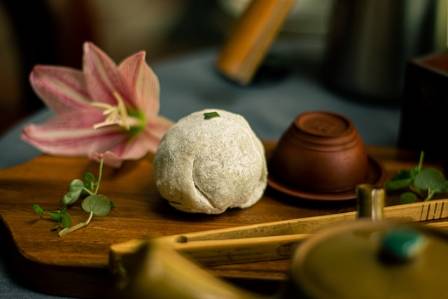
This particular method yields a superior mochi that maintains its soft, supple texture for several days without becoming overly dense or excessively tacky. One of its most remarkable features is its resilience; even after being stored in the freezer, the dough regains its signature fluffiness upon thawing. This recipe is the result of a collaborative evolution, combining traditional family techniques with modern efficiency. While the original inspiration came from a close family friend, the process was refined by using plastic wrap for cleaner handling and a microwave technique that reduces the cooking time from nearly an hour to just four minutes without compromising the quality of the dough.
NOTE · en

The Complete Guide to Finding Your Perfect Cat Companion
Pets are a vital part of a happy household. Your experience will be much better if you choose wisely. Think about your family and your home life before you act. Many cats end up in shelters because owners had the wrong expectations. Always make an informed choice. Never acquire a pet on a whim. Discuss the decision with your family. Think carefully about these questions before you bring a new cat home.
NOTE · en

World's Premier Cricket Teams: Who Dominates Globally?
Cricket is a sport that ignites emotions and thrills like no other. Each boundary brings excitement, and every wicket taken leaves fans in awe. At its heart, this dynamic game is defined by the fierce rivalries between the globe's leading teams, who compete fiercely for dominance on historic grounds. But which team truly reigns supreme in international cricket?
NOTE · en

UNESCO Designates 13 New Global Geoparks in Africa, Asia, Europe, and North America
UNESCO's Executive Board, in a momentous decision, has officially recognized 13 additional Geoparks that illuminate the immense geological diversity present across our planet. The global network now proudly boasts 140 UNESCO Global Geoparks spanning 38 countries. Here's an introduction to these newly designated sites:
NOTE · en

Cat Facts for Kids
Cats, also known as domestic cats, are small meat-eating animals that have lived with humans for thousands of years. Their scientific name is Felis catus, and they are part of the feline family, which also includes lions, tigers, and leopards.